
10 Tools We Swear By as a Marketing Agency
- Krista Ruiz

- 12 minutes ago
- 6 min read

Table of Contents
The Tools Behind the Work
Running a marketing agency is a mix of creativity, strategy, organization, communication, problem solving, content creation, and honestly… controlled chaos sometimes.
A lot of people see the finished product online. The polished branding, curated Instagram feeds, professional websites, and high quality content, but what they don’t see are the systems and tools behind the scenes that help make it all happen.
We’re constantly balancing creative work with client communication, project management, scheduling, editing, strategy, analytics, and collaboration. Over time, we’ve found a handful of tools that genuinely help us work smarter, stay organized, and create better experiences for our clients.
These are 10 tools we genuinely swear by as a marketing agency.
1. Adobe Creative Suite - Graphic Design,Video Editing and More
If there’s one thing we’ll never stop investing in, it’s strong creative tools. Adobe Creative Suite is the backbone of so much of the design and content work we create. These tools allow us to create custom, professional visuals that actually feel elevated and unique to a brand instead of generic or templated.
We regularly use:
Adobe Illustrator for logo design and branding
Adobe Photoshop for graphics and photo editing
Adobe Lightroom for photo editing and color correction
While there are plenty of beginner-friendly design apps out there now, Adobe still gives creatives the level of flexibility and precision needed for truly professional work.
2. Mailchimp - Email Communications
Email marketing is far from dead. In fact, it’s still one of the highest ROI marketing tools businesses can use. We use Mailchimp for newsletters, email campaigns, audience communication, announcements, and automated workflows. It’s one of our favorite platforms because it makes email marketing feel approachable while still offering strong analytics and automation features.
We especially love:
Easy email templates & build your own templates
Audience segmentation
Analytics and reporting
Automation features
3. Wix - Website Development, Booking Widgets, and More
A website is often a customer’s first impression of a business. That’s a big deal.
We use Wix for many website projects because it gives businesses a combination of strong design flexibility and user-friendly management. A website should not only look visually appealing, but also function smoothly, clearly communicate the brand, and convert visitors into customers.
One of the biggest mistakes we see businesses make is having outdated websites that no longer reflect the quality of their work. Your website should feel like an extension of your brand, not an afterthought.
Some of our favorite features:
User friendly editing
Customizable layouts
Built in SEO tools
Mobile optimization
4. ZohoCRM - Client Management
As an agency grows, organization becomes everything. ZohoCRM has become one of our go to tools for keeping projects, workflows, and client communication more streamlined. When you’re balancing multiple clients, campaigns, deadlines, and deliverables at once, having organized systems behind the scenes is essential. A lot of people underestimate how much structure goes into creative work. Creativity thrives when there are systems supporting it.
ZohoCMR helps us:
organize client information
track workflows
manage communication
improve efficiency
reduce unnecessary back and forth
The more organized we are internally, the better experience we can create externally for our clients.
5. Google Workspace - File Management, Collaboration and Communication
Honestly, we’d probably collapse without Google Workspace.
Google Sheets, Google Meet, Google Docs, and Google Drive are all part of our daily workflow. These tools help our team collaborate, organize ideas, plan content, and communicate more efficiently. Marketing agencies have a LOT of moving parts happening at once, so having everything connected in one ecosystem makes collaboration significantly easier.
Some of the tools we rely on most include:
Google Sheets for social media calendars, content planning, spreadsheets
Google Meet for virtual meetings and client calls
Google Drive for file organization
Google Docs for content drafting and meeting minutes
Google Calendar to stay organized
6. Canva - Quick Design and Client Templates
Canva has completely changed accessibility in the creative world, and honestly, we do use it regularly. That said, having access to design tools and having actual design knowledge are two very different things. Canva is most powerful when paired with strategy, creativity, and understanding of branding principles. Tools alone don’t create strong branding, intentional design does. For us, Canva works best as a support tool that helps speed up certain workflows while still maintaining brand consistency and quality.
It’s great for:
quick social graphics
presentations
collaborative edits
story graphics
content mockups
brand kits
7. Scribe - Sharing Information and Documenting Workflows
As businesses grow, systems become more and more important. Scribe has been incredibly helpful for documenting workflows, creating tutorials, and simplifying internal processes. Instead of manually typing out complicated instructions, Scribe allows us to quickly create step-by-step guides for onboarding, training, and workflows.
Efficiency matters, especially when managing multiple projects and growing teams.
The more streamlined a process is internally, the smoother things run for clients externally.
8. Calendly - Scheduling
Scheduling meetings should not require 15 emails back and forth. Calendly makes scheduling simple by allowing clients and collaborators to book available times instantly. It saves time, keeps communication organized, and removes a lot of unnecessary friction from the scheduling process. Simple systems like this genuinely make a huge difference in day to day operations.
9. Clockify - Time Keeping
One thing people don’t always realize about agency life is how much time goes into creative work behind the scenes. Clockify helps us manage projects, track time, improve productivity, and better understand workflow efficiency. Time tracking helps create more realistic expectations for projects and gives insight into how long different creative processes actually take. Creative work isn’t just “making a quick post.” There’s strategy, planning, editing, revisions, communication, scheduling, and execution happening behind every deliverable.
Clockify helps keep all of that organized.
10. Customer.io - Workflows, Client Management, and Communications
One of the biggest parts of marketing is understanding communication timing. Customer.io helps businesses create more personalized customer experiences through automated messaging and audience segmentation. Instead of sending the same message to everyone, this platform allows brands to communicate more strategically based on customer behavior and engagement.
We especially love using Customer.io for:
automated workflows
customer engagement
personalized messaging
behavior based campaigns
audience targeting
Can AI Replace Marketers?
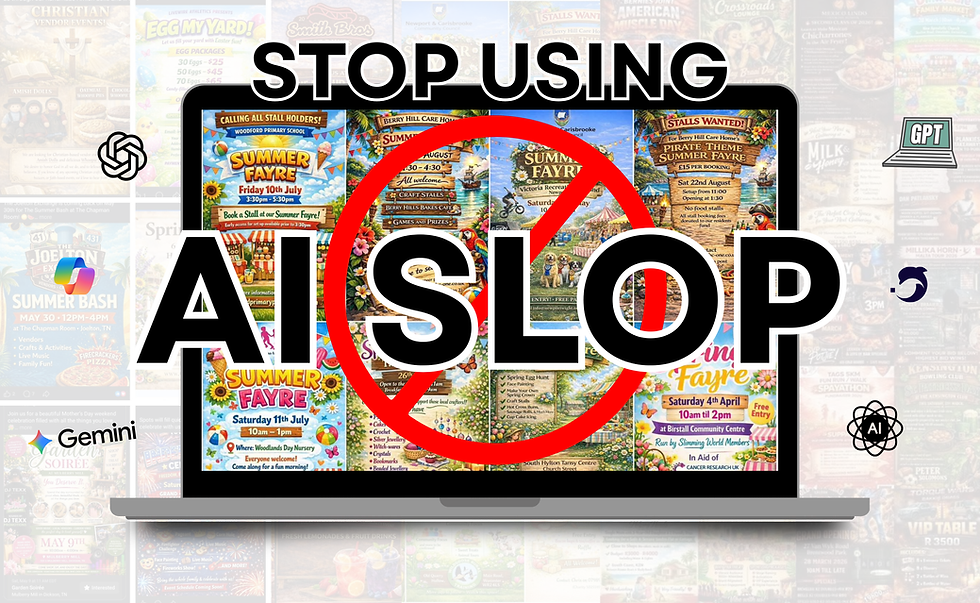
We don’t think so. AI has completely changed the creative industry over the last few years, especially in graphic design and content creation. Suddenly, anyone can generate a logo, write a caption, or create graphics in seconds with the click of a button. And while AI tools can absolutely be helpful, there’s a growing misconception that having access to AI automatically replaces the need for designers, creatives, and marketing professionals.
It doesn’t.
Tools have always existed in the creative industry. Adobe didn’t replace designers. Canva didn’t replace designers. Cameras didn’t replace photographers. And AI won’t replace truly skilled creatives either. What AI can do is speed up certain processes, assist with brainstorming, simplify repetitive tasks, and make creative tools more accessible to beginners. We use technology every day in marketing and design workflows because efficiency matters.
But design is about much more than simply generating visuals.
Strong branding requires:
strategy
psychology
communication
storytelling
consistency
understanding human behavior
understanding audiences
emotional connection
intentional design choices
Those decisions require human understanding, creative direction, and real world experience. One of the biggest issues we’re seeing right now is an overload of generic content online. As AI-generated visuals become more common, brands are starting to blend together. The internet is becoming flooded with content that technically “looks fine” but lacks originality, personality, and strategy. People can feel the difference between content that was thoughtfully created for a brand and content that was mass generated with little direction behind it.
Final Thoughts
At the end of the day, tools are just tools. What matters most is the strategy, creativity, and intention behind how those tools are used. There’s no single app, platform, or software that automatically creates great marketing. Strong branding and marketing come from understanding people, telling compelling stories, building trust, and creating experiences that actually connect with audiences. These tools simply help us bring those ideas to life more efficiently and effectively.
As the creative industry continues evolving, we’re always testing new systems, exploring new technology, and finding better ways to serve our clients while staying creative, organized, and intentional in the work we create.
If you’re a business owner, creator, or fellow marketer, hopefully this gave you a little insight into the tools helping power the work behind the scenes at JanMar Agency.
Frequently Asked Questions
What tools do marketing agencies use daily?
Most marketing agencies use a combination of design software, communication tools, scheduling platforms, project management systems, and analytics tools to manage client work efficiently. At JanMar Agency, some of our most used tools include Adobe Creative Suite, Canva, Google Workspace, Mailchimp, Zoho, and Calendly.
What is the best software for graphic design and branding?
Adobe Creative Suite is still considered one of the industry standards for professional graphic design and branding. Programs like Adobe Illustrator, Photoshop, and Lightroom allow designers to create custom logos, branding materials, marketing graphics, and professional photo edits with far more flexibility and precision than basic editing apps.
Why do marketing agencies use email marketing tools?
Email marketing tools like Mailchimp help businesses stay connected with their audience through newsletters, automated campaigns, and targeted communication. Unlike social media platforms, email lists are owned by the business, making email marketing one of the most valuable long term marketing strategies.
What tools help marketing agencies stay organized?
Organization tools are essential for managing projects, clients, deadlines, and workflows. Platforms like ZohoCRM, Google Workspace, Clockify, Scribe, and Calendly help marketing agencies improve communication, streamline operations, manage scheduling, and keep projects running efficiently.


Comments